Science Badges:
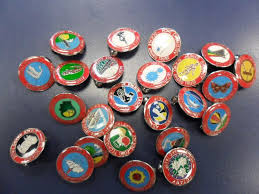
'Conservation'
- Climate Science
- Global Warming
- Recycling
- Renewable Energy
- Fossil Fuels
- Ecology
- Our Planet
- Water
- Plants
- 15 Points are needed to get a badge
- A high standard of work.
- All experiments are written up ( Aim, Materials, Steps, Conclusion)
- Two photos of your experiment
- 6 sentences at least for a conclusion
Science will be twice per week.
- Lesson 1: This will be an Experiment that involves blogging. You will be expected to open a new post, copy Mr. Palmer's blog and paste it on your new post.
- Lesson 2: This will be an Investigation that relates to the topic of Lesson 1. It will be own choice and displayed in a way that you prefer. For example - PowerPoint, Doc, etc
BLOGGING.
All the blogs and science lessons will be displayed on Mr. Palmer's blog:
Bookmark it!
Expectations:
- 1 blog must be completed per Hurumanu lesson.
- A completed blog must have the four headings ( Aim, Method, Findings, Conclusion), correct writing and punctuation under each heading and be published. No post, no points.
- 2 images of the experiment/investigation on the blog.
Using the Scientific method of investigation:
Aim: What the experiment/investigation is about.
Method: Instructions on how the experiment/investigation is carried out. This includes the equipment.
Findings: What have we learned or found out from our experiment/investigation. This is called Data, Information or Facts. It is displayed in a chart, table or picture.
Conclusion:
2 Hurumanu Science Goals:
finished the blog post early or finished it at home. Used punctuation to your sentences to have good quality.
WATCH THIS VIDEO AND COMPLETE THE INVESTIGATION.
- What animals keep our jackets warm? Sheep, fox, and Polar bear
- What animal makes our boots waterproof? ducks
- Where does the water in our rivers come from? The water from the river is not coming from the ocean. The rain makes the river rise.
- Why do we need healthy rivers? We need a healthy river because it provides clean water.
- What are some of the good things about mosquitoes? It helps us clean the water and feed the fishes.
- Why are bees dying? They are dying because of Colony collapse disorder they leave behind the queen when they disappear.
- What do bugs do to our leaves? They drink the juice from the leaves and leave a tiny hole.
- How much dung would we be in if there were no dung de-composers? If there were no dung that is decomposers they will need to cover the dung up to 7 feet.
- Who runs this planet? They are many species on our planet and helps natures.
GROUP ACTIVITY;
- Groups of 3 or 4 students.
- Need A3 copy paper.
THE ICECAPS HAVE MELTED. MOST OF THE LAND IN THE WORLD HAS BEEN FLOODED AND YOU AND YOUR FRIENDS ARE ON A BOAT IN THE MIDDLE OF KNOW WHERE. YOUR BOAT IS SUDDENLY STRUCK BY A STORM AND YOU BECOME SHIPWRECKED ON A SMALL ISLAND. YOU ARE ONLY ALLOWED TO SELECT 20 ITEMS FOR YOUR GROUP. A SECOND BOAT IS TRAVELLING NEAR YOU BUT WILL NOT BE ABLE TO REACH YOU FOR 1 MONTH SO YOU NEED TO GATHER ENOUGH SUPPLIES TO LAST FOR A MONTH.
In your group you need to:
1. Make a list of the 10 things you are going to collect.
2. Draw a map of the island.
4. Draw and label the activities you will be involved with.
- Renewable energy sites ( wind, solar, hydro, )
- Living/shelter
- Growing food
- Write 3 sentences about how your group is going to live for the next month.
When you are drawing your map you need to list 4 places you can have renewable energy sites.


